
Browsers in agents, WebMCP momentum, and AI engineering lessons
Key trends from the AI Engineer World's Fair, browsers moving inside agents, and fresh WebMCP momentum across commerce and web development.

I’m a strategist and analyst focused on the Agentic Web: how AI agents discover, understand, and interact with websites and digital products. Previously I founded ReadWriteWeb, an influential Web 2.0 blog.
Key trends from the AI Engineer World's Fair, browsers moving inside agents, and fresh WebMCP momentum across commerce and web development.
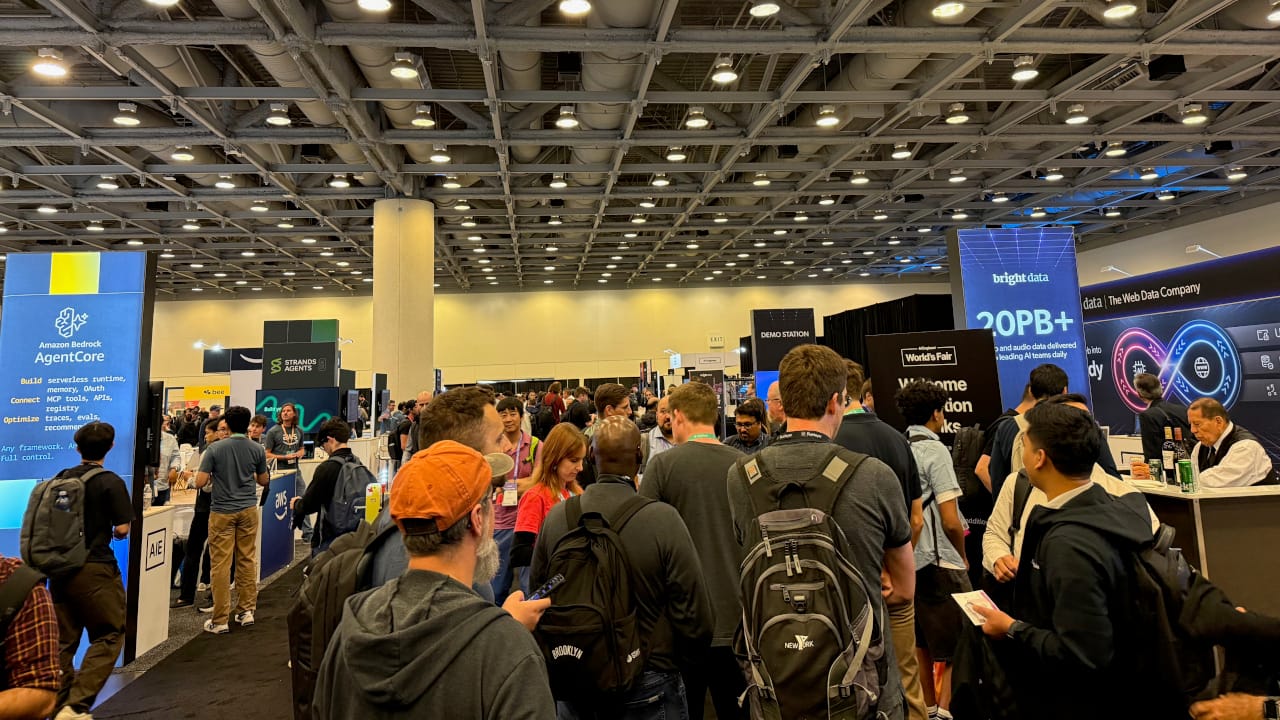
AI Engineer World’s Fair showed how quickly the AI builder ecosystem is scaling, with San Francisco again feeling like the center of a new web-era boom.

From agent frameworks and MCP integrations to identity governance and open discovery, this week’s market signals show the agent stack rapidly gaining adoption in the enterprise.
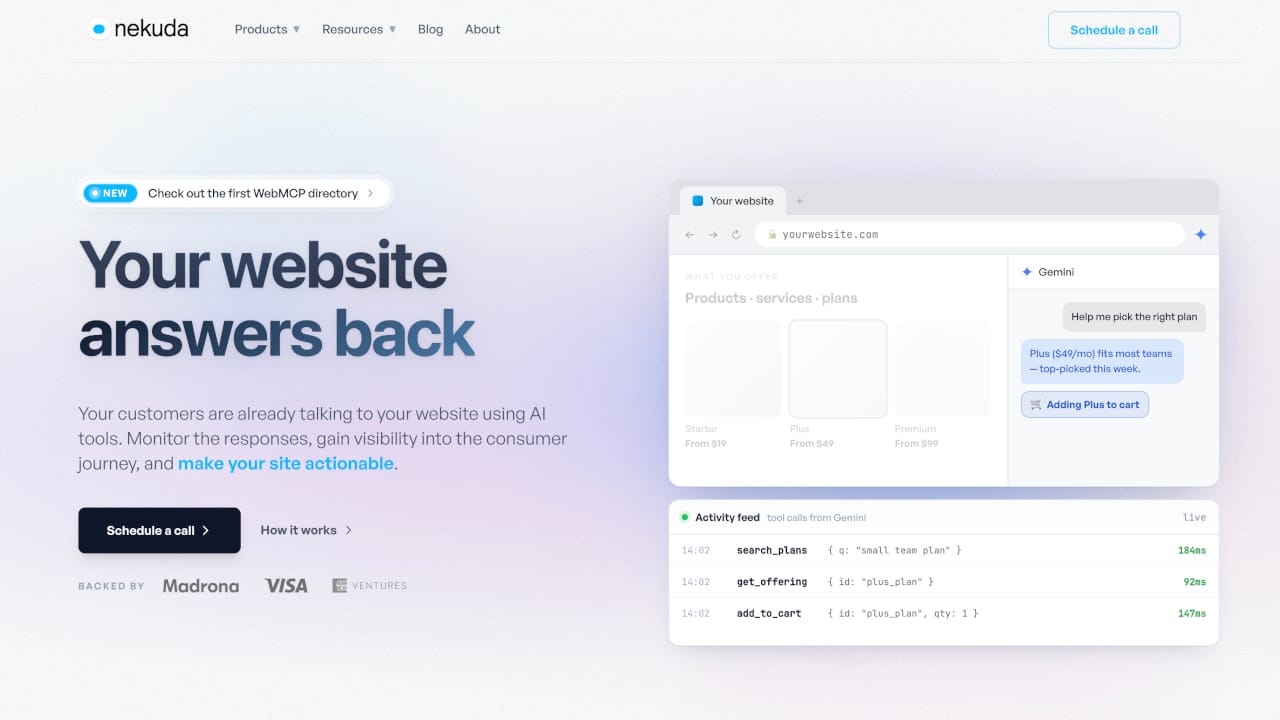
Nekuda is betting that agentic commerce will augment websites, not replace them, with WebMCP providing the bridge between agents and merchant-controlled experiences.
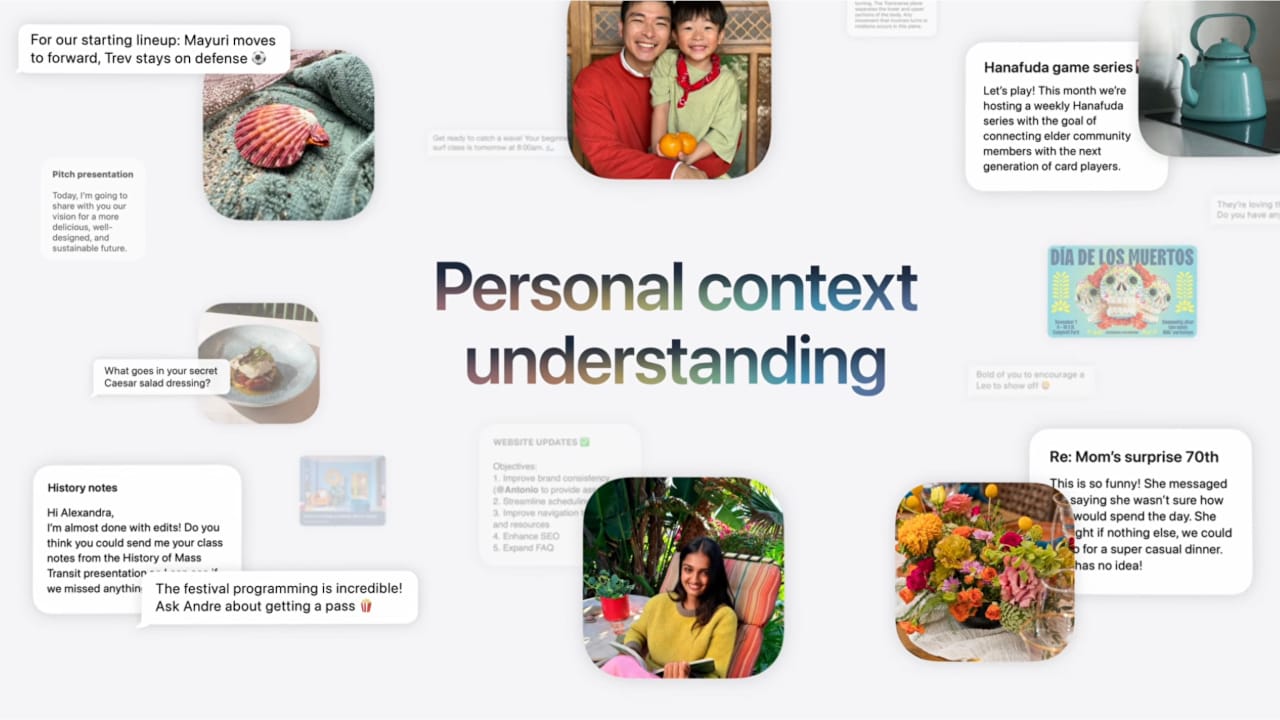
Visa, Mastercard, Apple, OpenAI and Google are building the payment, action, execution and knowledge layers agents need to act.
MCP Apps is turning UI over MCP into a candidate application layer for AI assistants, but discovery and ranking remain unresolved.

Bot traffic, grounding APIs, atomic brand systems, and CMS deals point to a new commercial layer forming around AI agents.
DNSid sets out a DNS-based accountability layer for AI agents, aimed at answering who owns an agent and who is responsible for its actions.

Arcade CEO Alex Salazar argues that MCP servers are only part of the agentic web stack. Enterprises also need an actions runtime for authorization, governance and execution.
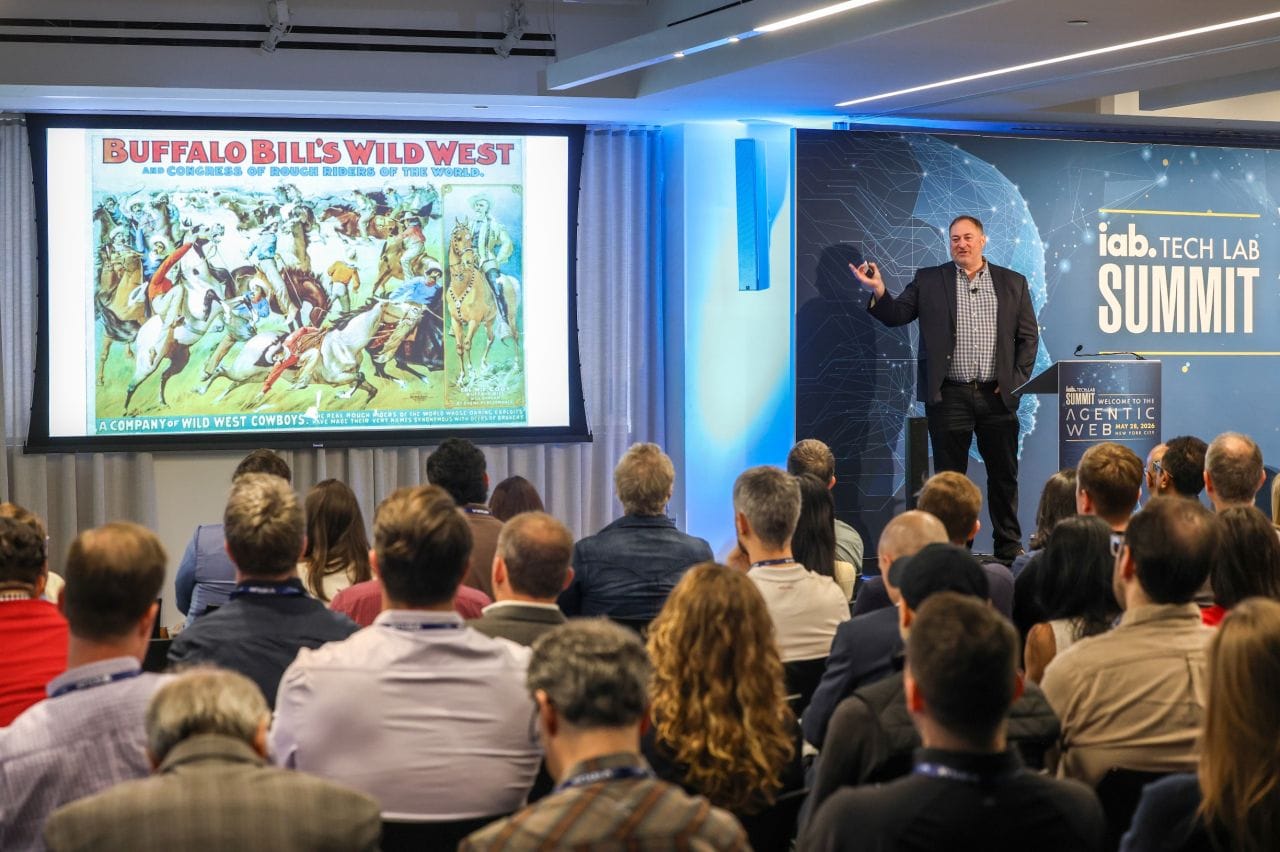
This week's market signals look at the emerging economic layers of the agentic web: advertising standards, agentic commerce infrastructure, plus identity and discovery systems for AI agents.

RunSignup, a web platform for race organizers, is deploying AI chatbots and building agentic infrastructure across its product. Founder Bob Bickel explains how AI is reshaping SaaS.
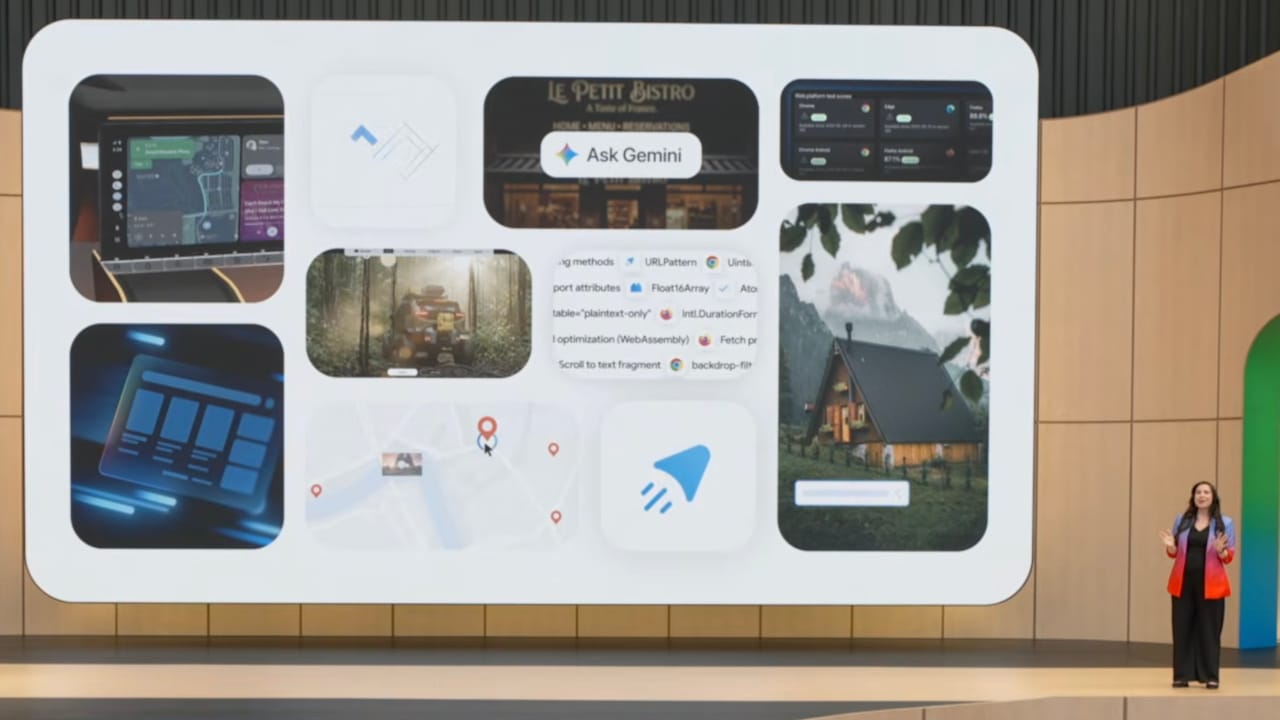
At I/O, Google pushed Chrome, Search and dev tools toward an agentic web. But the harder question is economic: who gets paid when agents use the web? Index by Parallel offers one solution.

Tracking how the agentic web is taking shape — through market signals, builder interviews, and analysis of the products and standards defining what's next.
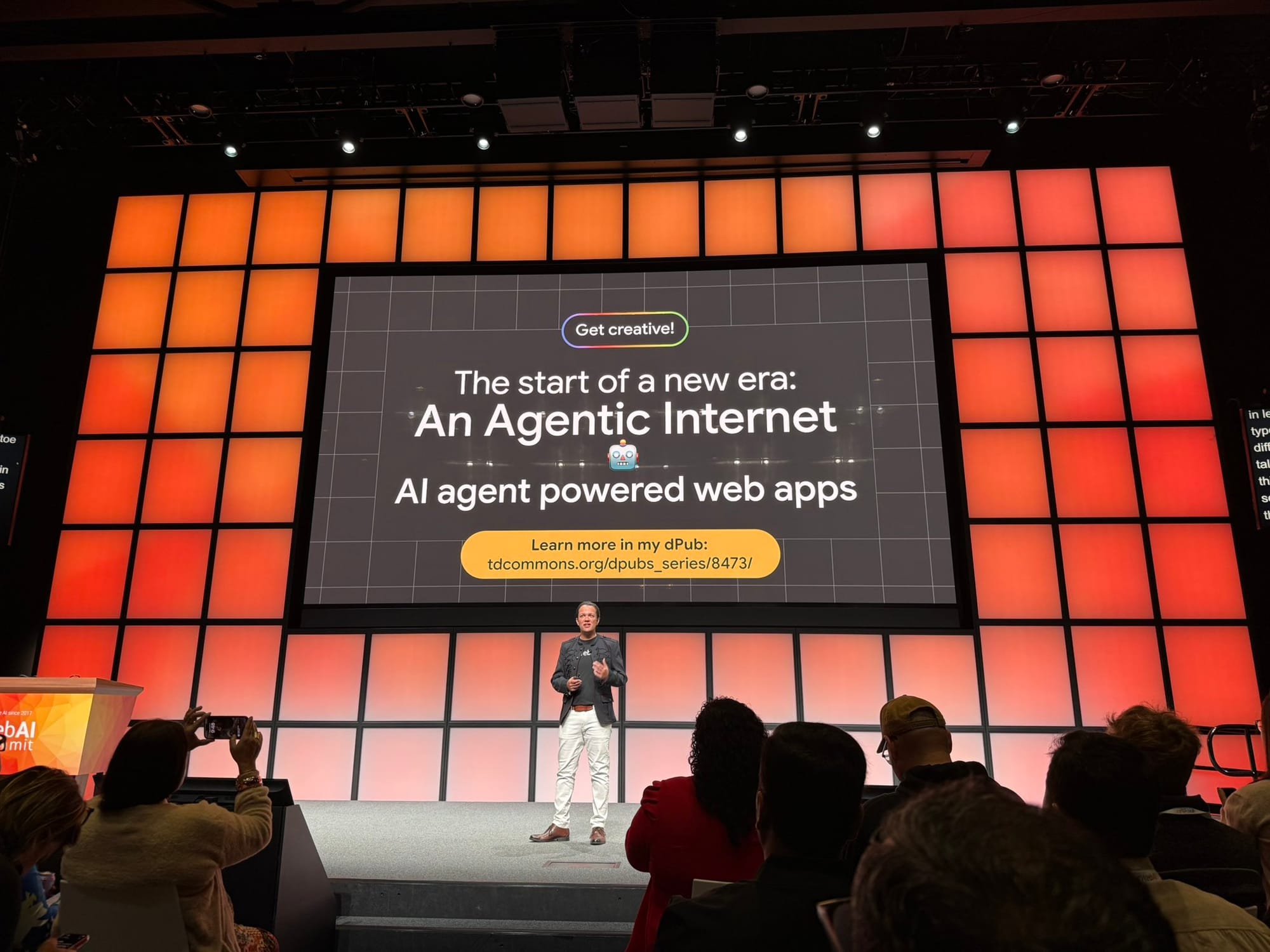
I've been closely following the intersection of web and AI this year, so who better to talk to about this than Jason Mayes, who leads Web AI initiatives at Google.




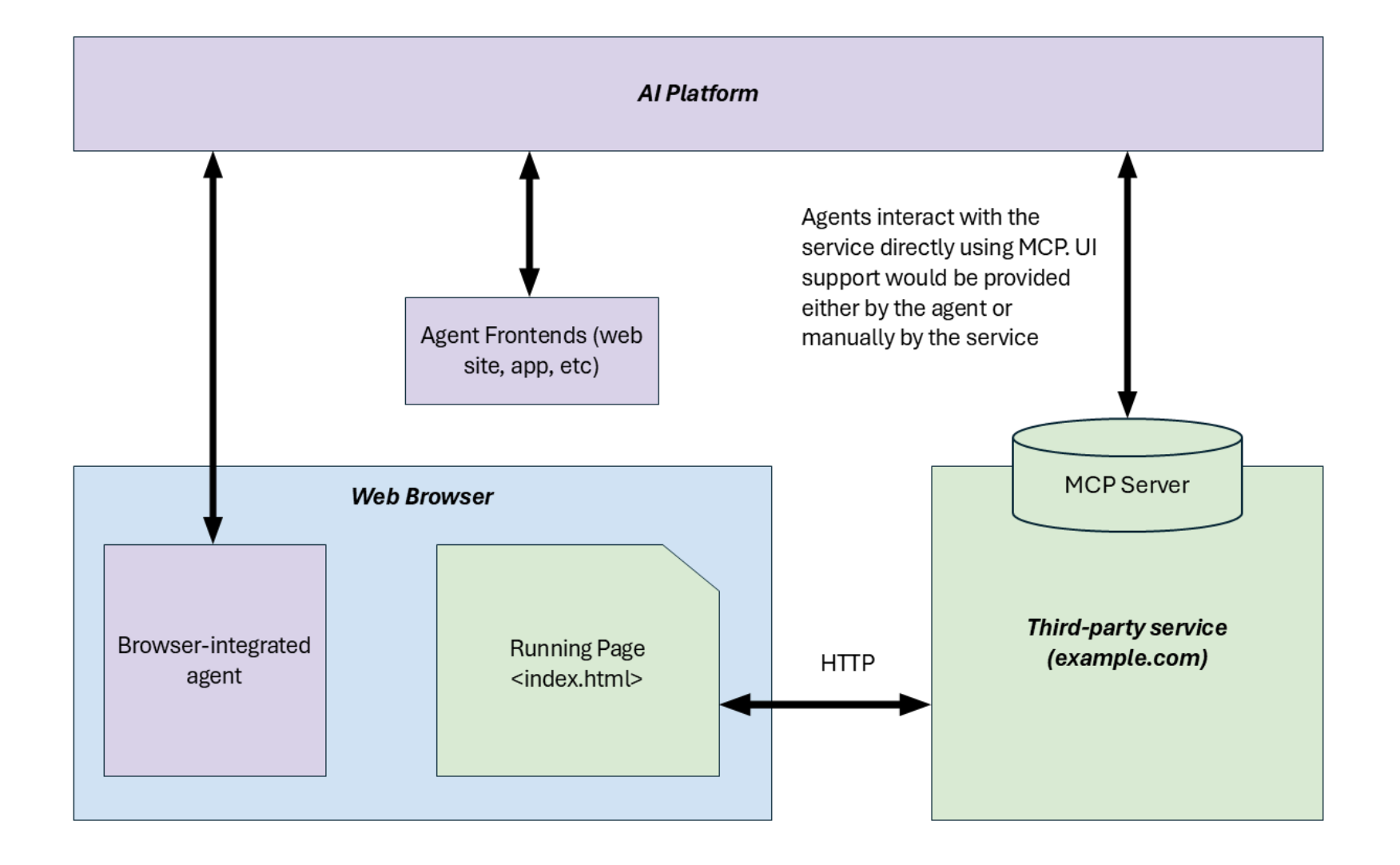


Google announced a raft of new AI features in Chrome, with further “agentic capabilities” to be added in the coming months.